Beekeeping Log Book: Ready KDP Interior
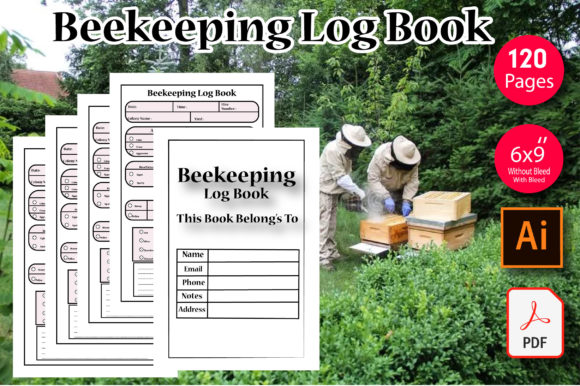
Creating a successful low-content book on Amazon KDP requires more than just a catchy cover; the interior experience determines whether a customer leaves a five-star review or returns the product. For publishers targeting the niche apiary market, this Beekeeping Log Book interior offers a turnkey solution that balances functional utility with professional presentation. Designed specifically for beekeepers who need to track hive health, honey production, and seasonal maintenance, this template removes the technical friction of formatting. It serves as a foundational design asset for entrepreneurs and content creators looking to expand their publishing portfolio without spending dozens of hours on layout design.
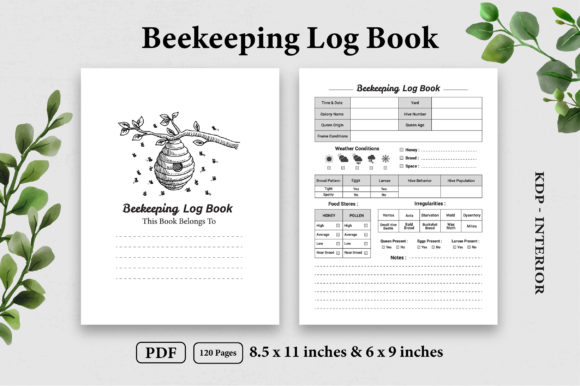
The visual personality of this logbook leans into practical clarity rather than decorative excess. While the cover might feature rustic typography or vintage illustrations, the interior prioritizes readability and data entry efficiency. The layout utilizes clean lines and ample white space, ensuring that users can quickly jot down notes even while wearing protective gear or working in low-light conditions. This balance of aesthetic appeal and utilitarian function is what separates premium KDP interiors from generic, mass-produced templates. By providing a structured yet flexible environment for record-keeping, the design supports the user's actual workflow in the apiary.
Technical Specifications for Seamless Publishing
One of the primary challenges for KDP publishers is meeting Amazon’s strict printing guidelines. This Beekeeping Log Book file eliminates guesswork by arriving as a pre-tested, ready-to-upload PDF. The technical foundation is built on industry standards that ensure crisp reproduction across both black-and-white and color printing options.
- Resolution: All elements are rendered at 300 DPI, preventing pixelation or blurriness in printed lines and text.
- Page Count: Includes 120 pages, offering substantial value for a full season of tracking without making the spine too thick for comfortable field use.
- Trim Sizes: Available in both 6x9 inches (ideal for portability) and 8.5x11 inches (better for detailed records and desk reference).
- Bleed Settings: Interior is formatted with bleed, allowing design elements to extend to the edge of the page for a polished, professional finish.
- Intro Page: A dedicated introduction page adds immediate perceived value and helps orient the user before they begin logging data.
For designers and marketers, these specifications mean you can focus entirely on keyword research, cover design, and advertising strategy. The interior is already optimized for the platform, reducing the risk of rejection during the upload process and ensuring consistency across different print facilities.
Where This Template Fits in Your Portfolio
This Beekeeping Log Book interior is versatile enough to serve multiple segments within the gardening and homesteading niche. Understanding where it performs best helps in crafting targeted marketing copy and selecting appropriate cover styles. It is particularly effective for publishers building a brand around sustainable living, urban farming, or backyard hobbies.
Commercial and Side-Hustle Projects: For entrepreneurs selling beekeeping supplies or courses, this logbook acts as an excellent lead magnet or complementary product. Bundling a physical or digital logbook with hive equipment increases average order value and reinforces brand authority. The clean, neutral interior design allows for easy customization, such as adding a logo or website URL to the intro page, transforming a generic template into a branded asset.
Educational and Workshop Materials: Beekeeping associations and instructors often require standardized materials for students. This template provides a consistent framework for teaching record-keeping best practices. Its structured layout helps new beekeepers understand which metrics matter most, from queen status to pest management observations. Publishers focusing on educational content will find this interior aligns well with instructional guides and beginner kits.
Gift and Seasonal Markets: The 6x9 format is especially popular for gift-giving occasions like Father’s Day, Earth Day, or holiday stocking stuffers. When paired with an attractive cover featuring modern typography or hand-drawn script fonts, the product appeals to hobbyists who appreciate aesthetics alongside function. Marketers can leverage this dual appeal in social media graphics and Pinterest pins, showcasing both the beautiful cover and the practical interior spreads.
Design Considerations and User Experience
While this file is ready to upload, thoughtful publishers should consider how the interior interacts with their overall brand identity. Typography plays a subtle but crucial role here. Even though the body text is fixed, your cover design should complement the interior’s tone. Pairing a rustic serif font on the cover with the clean sans serif tables inside creates a cohesive visual hierarchy that signals professionalism.
Readability is paramount in functional books. The included layouts have been tested for contrast and spacing, ensuring that writing prompts are legible without being overwhelming. When evaluating this asset for your specific project, consider your target audience’s demographics. Older beekeepers may prefer the 8.5x11 size for larger writing areas, while younger, mobile-first users might gravitate toward the portable 6x9 version. Offering both sizes under separate ASINs can capture a wider market segment.
From a licensing perspective, always verify the commercial usage rights associated with any KDP interior. This template is designed for commercial publication, allowing you to sell unlimited copies on Amazon and other platforms. However, it cannot be resold as a standalone digital file or claimed as original artwork. Respecting these boundaries protects your business and maintains the integrity of the design ecosystem.
Enhancing Value Through Strategic Customization
To differentiate your Beekeeping Log Book from competitors, consider minor customizations that add significant perceived value. Adding a "Notes" section at the back, including a glossary of common beekeeping terms, or inserting a resource list for local associations can transform a standard logbook into an indispensable reference tool. These additions don't require redesigning the core template; they simply utilize blank pages or replace the intro page with richer content.
Testing font pairings on your cover against the interior style is also recommended. If the interior uses minimalist line work, a bold display font or handwritten script on the cover creates engaging contrast. Conversely, if you plan to add decorative headers to the intro page, ensure they match the weight and style of the existing table headers to maintain visual consistency. This attention to detail signals to customers that the book was crafted with care, directly influencing reviews and long-term sales velocity.
Ultimately, this Beekeeping Log Book interior serves as a reliable foundation for publishers who value quality and efficiency. By handling the technical complexities of bleed, margins, and resolution, it frees creative professionals to focus on what drives sales: compelling branding, strategic marketing, and genuine audience connection. Whether you are a seasoned KDP publisher or a beekeeping enthusiast entering the self-publishing space, this asset provides the professional polish necessary to succeed in a competitive marketplace.