Baseball Scorebook: KDP Interior File Guide
Keeping score is the heartbeat of baseball culture, transforming a series of pitches and swings into a permanent narrative of strategy and performance. A well-designed Baseball Scorebook serves as both a functional tool for tracking statistics and a cherished archive of memories. For those looking to publish their own scoring journals on Amazon KDP, or for consumers seeking the perfect logbook, understanding the technical specifications and practical applications of these interiors is essential. The right file ensures that every diamond drawn and every statistic recorded meets professional publishing standards while serving the diverse needs of the baseball community.
Defining the Modern Baseball Scorebook
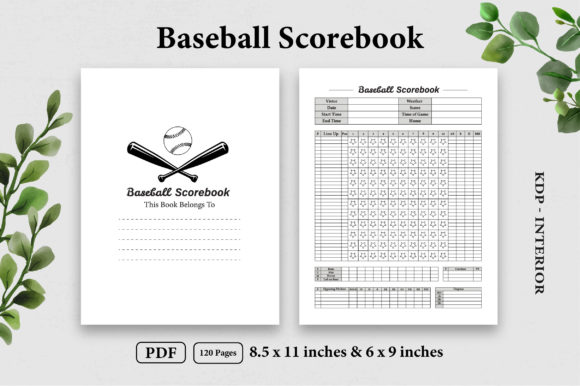
At its core, a Baseball Scorebook is a structured ledger designed to record game events in real-time. Unlike generic notebooks, these interiors feature specialized grids for innings, player lineups, pitch counts, and defensive positioning. However, in the context of digital publishing and KDP interiors, it represents a precise template ready for print-on-demand production. This specific resource provides a pre-formatted PDF that eliminates the guesswork of margin settings, bleed requirements, and resolution standards.
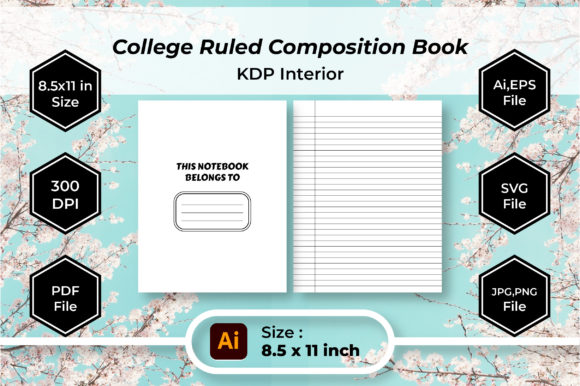
The inclusion of an intro page adds immediate value, guiding users on how to utilize the book effectively before they ever step onto the field. With 120 pages of content, this interior offers substantial capacity for an entire season or multiple tournaments. Whether formatted at 6x9 inches for portability or 8.5x11 inches for detailed analysis, the layout prioritizes usability. The 300 DPI resolution guarantees that lines are crisp and text is legible, which is critical when users are writing quickly under stadium lights or bright sun.
Perspectives from the Dugout and the Desk
Different stakeholders interact with a Baseball Scorebook through unique lenses. What matters to a freelance designer creating products for passive income differs vastly from what a youth coach needs during a championship game. Recognizing these distinctions helps in evaluating whether a specific KDP interior file aligns with your current objectives.
For KDP Publishers and Entrepreneurs
If you are a creator or small business owner in the low-content publishing space, technical compliance is your primary concern. Amazon’s printing guidelines are strict, and rejected files can delay launches and hurt rankings. This Baseball Scorebook interior addresses those pain points directly:
- KDP Tested and Ready: The file has been validated against current upload standards, reducing the risk of rejection due to margin errors or font embedding issues.
- Bleed Configuration: Proper bleed is non-negotiable for scorebooks where grid lines often extend to the page edge. This interior includes the necessary bleed area, ensuring no white borders appear after trimming.
- Versatile Sizing: Offering both 6x9 and 8.5x11 options allows publishers to target different market segments. The smaller size appeals to parents and fans wanting pocket-sized convenience, while the larger format targets coaches and statisticians requiring more writing space.
- High-Quality Resolution: Blurry interiors lead to negative reviews. The 300 DPI standard ensures professional-grade output that builds brand trust and encourages repeat customers.
For this audience, the value lies in speed to market and reliability. Using a pre-tested file frees up time to focus on keyword research, cover design, and marketing strategies rather than troubleshooting formatting errors.
For Coaches, Educators, and Statisticians
Professionals and educators evaluate a Baseball Scorebook based on data integrity and ease of use during high-pressure moments. A cluttered or poorly spaced layout can lead to scoring errors that compromise post-game analysis. When assessing this type of interior, consider the following practical elements:
- Functional Layout: Adequate spacing between columns prevents handwriting from bleeding into adjacent cells, which is vital for accurate stat compilation later.
- Durability of Design: High-resolution printing means the ink sits cleanly on the paper, resisting smudging when erasers are used to correct calls.
- Introductory Guidance: For educational settings or new assistant coaches, the added intro page serves as a quick reference manual, standardizing how the team records data.
Educators teaching sports management or analytics may prefer the 8.5x11 version to allow students ample room for notes and calculations alongside the standard scoring grid. Conversely, active coaches might prioritize the 6x9 version for its clipboard compatibility and ease of transport in equipment bags.
For Hobbyists, Parents, and Fans
For the consumer buying a finished product, or the hobbyist scorer, the emotional and archival value takes precedence. Scoring is a meditative act that deepens engagement with the game. These users prioritize aesthetics and long-term usefulness over technical specs, though the two are linked.
A 120-page book represents a tangible commitment to the season. Parents scoring Little League games want a book that feels substantial enough to keep as a keepsake but simple enough to use without extensive training. The presence of an intro page lowers the barrier to entry, making the hobby accessible to beginners who may be intimidated by traditional scoring symbols. Furthermore, the availability of two sizes allows families to choose based on personal preference; some enjoy the intimacy of a smaller journal, while others want a large-format record that lays flat on a picnic table.
Evaluating Quality and Practical Fit
Determining if this specific Baseball Scorebook resource matches your goals requires honest assessment of your priorities. Not every project requires the same features, and understanding the trade-offs is part of making an informed decision.
Assessing Technical Reliability
If you are uploading to KDP, verify that the "Ready To Upload" claim matches your specific trim size selection. While the file is tested, always double-check that you have selected the correct corresponding PDF for your chosen dimensions. Mixing a 6x9 interior with an 8.5x11 cover setup will result in immediate errors. The 300 DPI specification should also be verified upon download to ensure no compression occurred during transfer. Reliable files save hours of reformatting time, making this a high-value asset for publishers managing multiple titles.
Considering User Experience
For end-users, evaluate the balance between structure and flexibility. Does the grid provide enough room for your specific notation style? Some scorers use complex shorthand that requires wider margins, while others prefer compact efficiency. The 120-page count is generally sufficient for a standard 20-30 game schedule plus playoffs, but tournament directors or travel teams playing 50+ games may need to purchase multiple copies or seek higher page counts. Consider whether the intro page adds genuine utility or simply consumes space; for beginners, it is invaluable, but veterans might view it as unnecessary.
Balancing Cost and Commercial Value
For entrepreneurs, the cost of acquiring this interior must be weighed against potential royalties. A high-quality, bleed-ready file reduces customer service inquiries regarding print defects, protecting long-term profitability. For consumers, the price point should reflect the paper quality and binding durability expected from KDP products. Understanding that the interior is optimized for standard white paper helps set realistic expectations for the final physical product.
Making the Right Choice for Your Project
Ultimately, a Baseball Scorebook is more than just paper and ink; it is a vessel for the sport's history. Whether you are leveraging this KDP interior to build a publishing portfolio, teaching the next generation of analysts, or preserving your child’s athletic journey, the foundation must be solid.
Publishers should appreciate the technical peace of mind that comes with KDP-tested, bleed-ready files at 300 DPI. This removes friction from the creation process, allowing focus to shift toward audience building. Coaches and educators should value the clarity and instructional support provided by the intro page and clean layout. Hobbyists and parents can trust that the 120-page format offers a meaningful canvas for their dedication to the game.
By aligning the specific features—size options, resolution, page count, and readiness—with your distinct role, you ensure that the Baseball Scorebook serves its intended purpose effectively. Take time to review sample pages if possible, confirm the trim size matches your vision, and consider how the physical attributes of the book will enhance, rather than hinder, the experience of recording the game. When the technical details are correct, the focus remains exactly where it belongs: on the field, the players, and the timeless rhythm of baseball.