Food Storage Inventory Planner: KDP Interior Guide
Creating a successful low-content book on Amazon KDP often comes down to solving a specific, recurring problem for your customers. For the growing community of home organizers, preppers, and budget-conscious families, that problem is tracking pantry supplies efficiently. A dedicated Food Storage Inventory Planner serves as the physical bridge between digital chaos and organized peace of mind. Unlike generic notebooks, this specialized tool provides structured layouts designed specifically for monitoring expiration dates, rotating stock, and planning meals based on existing ingredients.
For publishers and creators, offering a high-quality interior template eliminates the most time-consuming part of the self-publishing process. Instead of spending weeks designing grids and tables from scratch, you can utilize a pre-made system that is already optimized for print. This specific resource functions as a complete foundation for your publishing business, allowing you to focus on cover design, keyword research, and marketing rather than technical layout formatting.
Understanding the Practical Value of Pantry Tracking
To market this planner effectively or use it personally, it helps to understand why food inventory management has become such a vital household skill. Modern consumers are increasingly aware of food waste and rising grocery costs. A well-structured planner transforms abstract anxiety about "what’s in the back of the freezer" into actionable data. It supports the First-In-First-Out (FIFO) method, ensuring older items are used before newer purchases, which directly saves money and reduces spoilage.
Beyond simple list-making, these planners support broader lifestyle goals. They are essential tools for emergency preparedness, helping users maintain a reliable supply of long-term staples without overbuying perishables. For meal preppers, the inventory acts as a menu planning companion, reducing decision fatigue by highlighting available ingredients. When you provide a product that facilitates these daily habits, you are selling organization and financial security, not just paper and ink.
Technical Specifications for Seamless Publishing
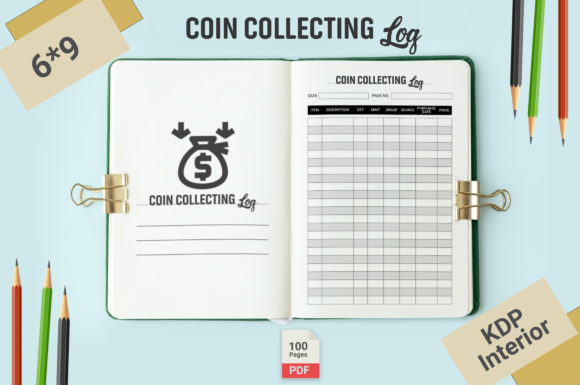
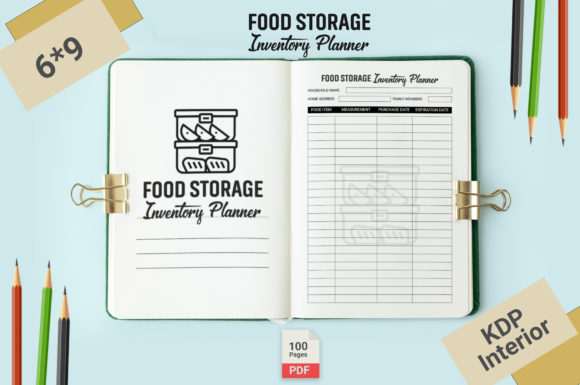
One of the primary barriers to entry for new KDP publishers is navigating technical print requirements. This Food Storage Inventory Planner KDP Interiors package addresses those hurdles immediately. The download includes a print-ready PDF formatted to a standard 6×9 trim size, which is arguably the most versatile dimension for portable reference books. This size fits comfortably in kitchen drawers, pantries, and tote bags, making it practical for daily use.
The file is configured with no bleed, simplifying the upload process and reducing the risk of rejection due to margin errors. With 100 pages of high-resolution content, the book offers substantial value to the end user while maintaining a competitive printing cost. High resolution is non-negotiable for functional books; blurry lines or pixelated text frustrate users who need to write small notes or check precise dates. This interior ensures crisp, professional results straight out of the box.
Customization Potential with Editable Source Files
While the ready-to-use PDF allows for immediate publishing, the inclusion of 100 editable Adobe Illustrator (AI) source files significantly expands your creative and commercial potential. This feature distinguishes a premium asset from a basic template. Having access to the vector source files means you are not locked into a single design forever. You can modify headers, adjust column widths, add branding elements, or translate the content for international markets.
For entrepreneurs building a brand series, this editability is crucial. You might create a "Minimalist Pantry" version with clean lines and a "Rustic Kitchen" version with decorative borders, all using the same functional base. Educators and coaches can customize the planner to include their own tips, recipes, or storage guidelines, turning a generic tool into a proprietary teaching aid. This flexibility allows you to test different niches within the food storage category without commissioning new designs for every iteration.
Diverse Applications Across User Groups
The appeal of a food inventory system extends far beyond individual homeowners. Understanding these varied use cases can help you tailor your book description and advertising to reach specific audiences.
- Small Business Owners: Caterers, food truck operators, and small café owners often need analog backup systems for inventory tracking during busy shifts or power outages. A compact 6×9 planner serves as an excellent operational log.
- Educators and Community Leaders: Home economics teachers, extension agents, and sustainability workshop leaders use these planners as hands-on teaching tools to demonstrate resource management and budgeting skills.
- Caregivers and Household Managers: Families managing dietary restrictions or allergies benefit from dedicated tracking spaces to ensure safe food rotation and prevent cross-contamination risks through better organization.
- Bloggers and Influencers: Content creators in the homesteading or frugal living space often sell digital or physical planners as merchandise. Using a professional-grade interior adds credibility to their brand offerings.
Strategic Considerations Before Publishing
Before uploading this Food Storage Inventory Planner to KDP, take time to consider how it fits into the current marketplace. Because low-content books face high competition, differentiation is key. Review the interior pages critically. Do the columns allow enough writing space? Is there a section for freezer, fridge, and dry storage separately? While the provided template is comprehensive, your unique value proposition might come from how you position it.
Consider the cover design as the primary hook. Since the interior is standardized, your cover must communicate the specific angle of your book. A cover targeting "Emergency Preppers" should look vastly different from one targeting "Budget Meal Planners," even if the inside pages are identical. Use the editable AI files to align the interior title page with your cover aesthetic, creating a cohesive unboxing experience that encourages positive reviews.
Maintaining Quality and Relevance
Always preview your final PDF using Amazon’s online proofing tool before approving publication. Even with a professionally prepared file, monitor margins and safe zones carefully. Ensure that the binding gutter does not obscure any writing areas, especially in a 100-page book where inner margins can be tight. Testing a physical proof copy is highly recommended to verify that the paper weight and ink quality meet customer expectations for a workbook that will be handled frequently in a kitchen environment.
Finally, remember that utility drives retention. Encourage users to engage with the planner by including a brief introduction or instruction page. Explain how to best utilize the inventory logs, suggest color-coding systems, or provide a sample filled-out page. This added guidance transforms a blank template into a supported system, increasing the perceived value of your book and fostering trust with your audience. By combining a robust, editable technical foundation with thoughtful presentation, you create a resource that genuinely helps people manage their homes more effectively.